

Radiation Therapy: Roles, Techniques, and Patient Care
Radiation Therapy: Roles, Techniques, and Patient Care
Radiation therapy is a critical component in the treatment of various cancers and certain non-cancerous conditions. It employs high doses of radiation to kill cancer cells or shrink tumors, aiming to destroy malignant cells while sparing surrounding healthy tissue as much as possible.
Key Roles of Radiation Therapy
- Curative Treatment: Radiation can be used as the primary treatment for some cancers, offering a chance for cure without surgery.
- Adjuvant Therapy: Often used after surgery to eliminate remaining cancer cells and reduce the risk of recurrence.
- Palliative Care: Helps relieve symptoms and improve quality of life for advanced cancer patients.
- Combination Therapy: Used alongside chemotherapy or immunotherapy to enhance treatment effectiveness.
Common Radiation Therapy Techniques
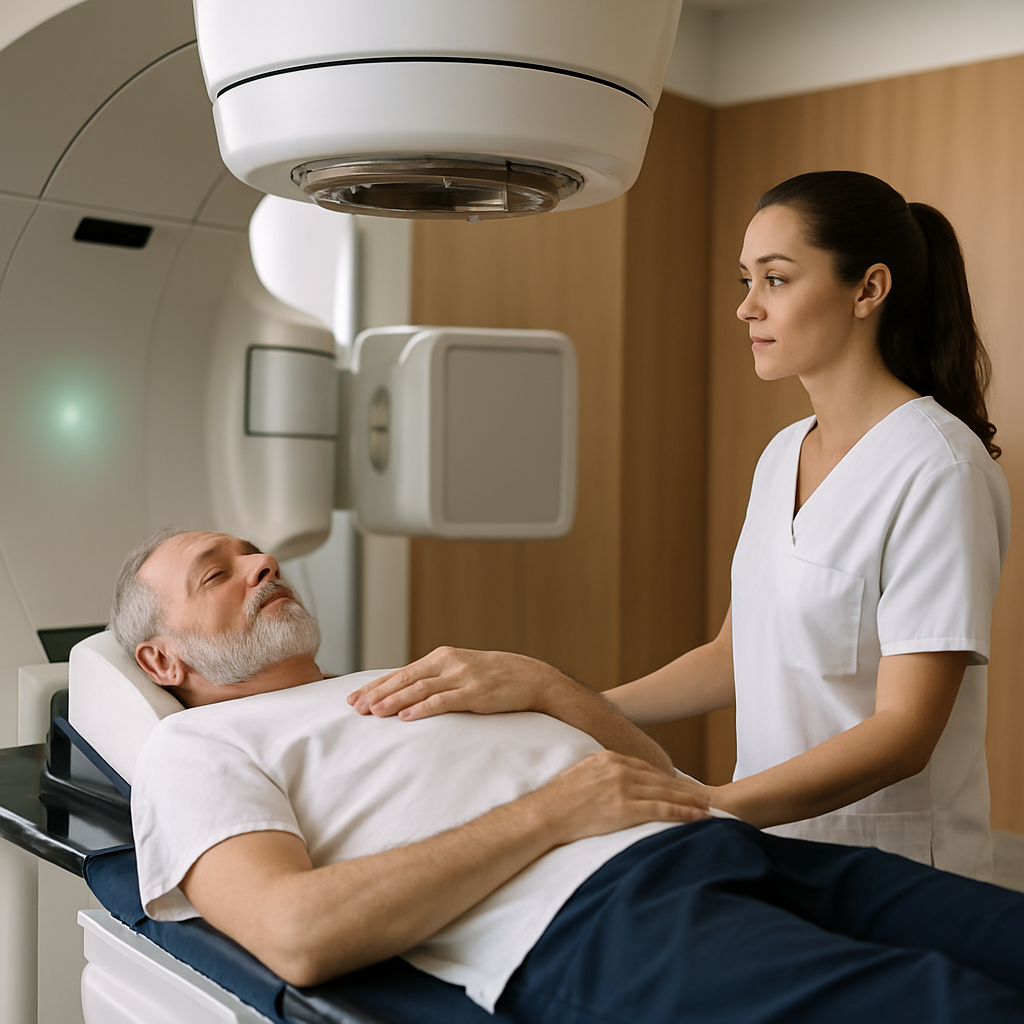
- External Beam Radiation Therapy (EBRT): This is the most common form, where a machine directs radiation beams at the tumor from outside the body.
- Brachytherapy: Involves placing radioactive sources directly inside or near the tumor, delivering high doses locally with less damage to surrounding tissue.
- Image-Guided Radiation Therapy (IGRT): Uses imaging during treatment to improve precision.
- Intensity-Modulated Radiation Therapy (IMRT): Advanced technique that modulates beam intensity to better conform to tumor shape.
- Stereotactic Radiosurgery (SRS) and Stereotactic Body Radiotherapy (SBRT): Deliver highly targeted doses in fewer sessions, often used for brain tumors and other small lesions.
Patient Care and Side Effects Management
While radiation therapy is effective, it can cause side effects depending on the treatment area, dose, and patient health. Common side effects include fatigue, skin irritation, and localized symptoms like nausea or difficulty swallowing.
Effective patient care involves:
- Providing detailed education about the treatment process and potential side effects.
- Regular monitoring and supportive care during treatment.
- Nutritional support and symptom management strategies.
- Psychosocial support to help patients cope emotionally and mentally.
Conclusion
Radiation therapy is a powerful cancer treatment modality that requires a multidisciplinary approach to maximize benefits while minimizing risks. Advancements in technology continue to improve precision, reduce side effects, and enhance patient quality of life.
Related posts



Ready to build a smarter digital experience?
Reach out to Iongenix through our Contact Page and let’s begin.
© 2025 Iongenix LLC. All rights reserved.