

The Art and Science of Ballet Dancing
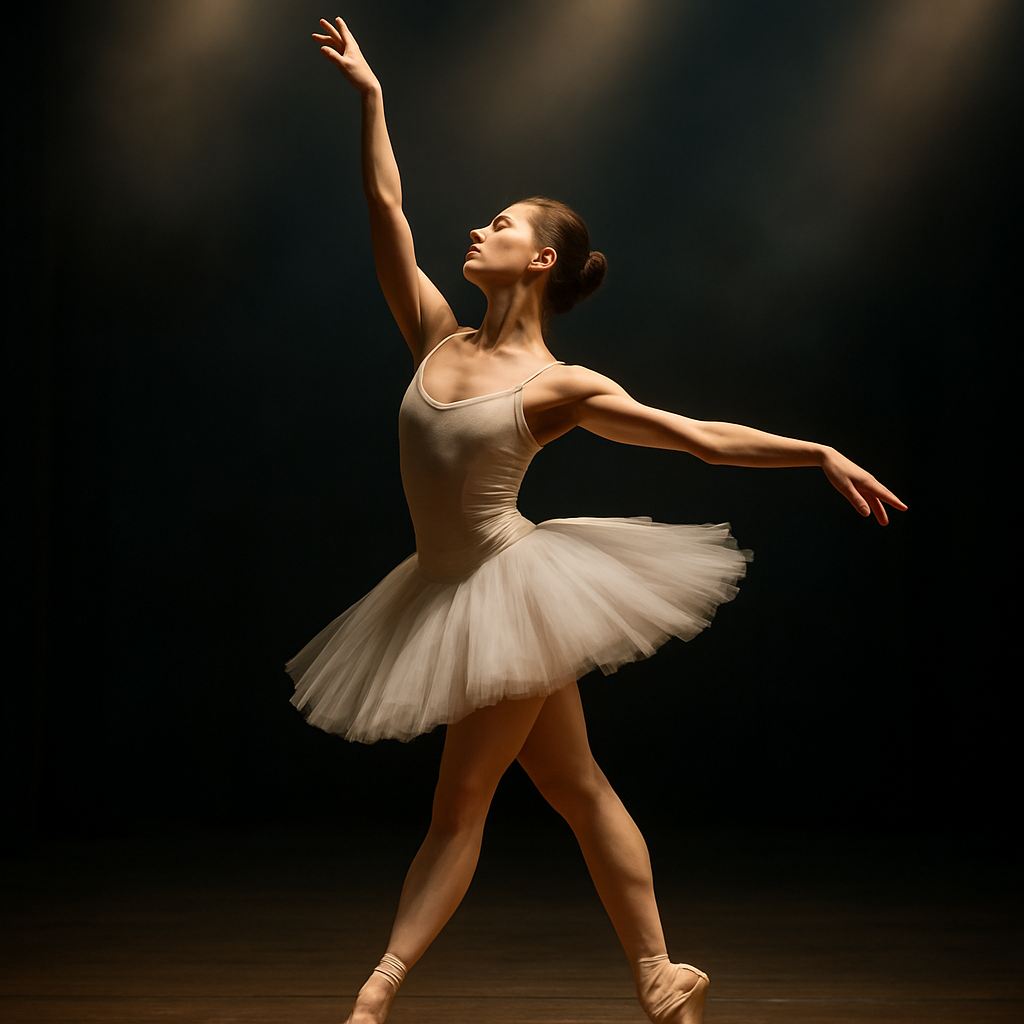
The Art and Science of Ballet Dancing
Ballet is a timeless and elegant form of dance that combines artistry with precise technique and physical discipline. Rooted in centuries of tradition, ballet dancers train rigorously to master movements that defy gravity and tell stories through their bodies.
The History of Ballet
Ballet originated during the Italian Renaissance in the 15th century and later developed in France and Russia into the form we recognize today. It was initially performed in royal courts and evolved into a professional theatrical art form with set techniques such as the five positions of the feet.
Technique and Training
Ballet dancers undergo years of training to perfect their technique. They build strength, flexibility, and stamina to execute lifts, jumps, and spins. Proper posture and alignment are critical to avoid injury and maintain the fluidity and grace characteristic of ballet.
The Role of Expression
Beyond physical precision, ballet is also about expression. Dancers convey emotions and narratives through their movements, facial expressions, and coordination with music. This storytelling aspect makes ballet a unique blend of athleticism and drama.
Ballet in the Modern World
Today, ballet continues to evolve, blending traditional forms with contemporary dance and new music styles. It remains a celebrated and influential art form worldwide, inspiring audiences and dancers alike.
Related posts



Ready to build a smarter digital experience?
Reach out to Iongenix through our Contact Page and let’s begin.
© 2025 Iongenix LLC. All rights reserved.