
Understanding Remote Work: Benefits and Challenges in the Modern Workplace
Understanding Remote Work: Benefits and Challenges in the Modern Workplace
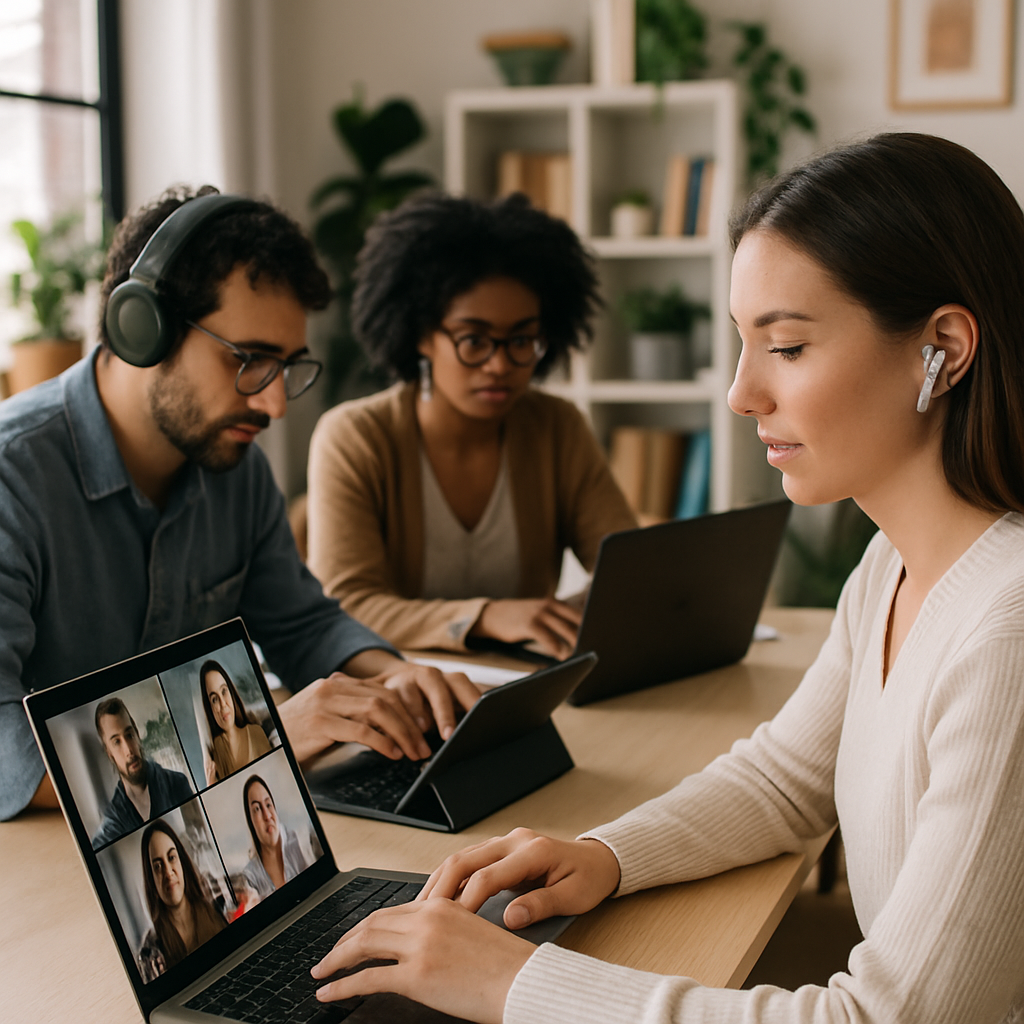
Remote work has become an increasingly popular mode of employment in recent years, accelerated dramatically by the global events of the early 2020s. This shift has transformed how businesses operate and how employees balance work-life dynamics.
Benefits of Remote Work
- Flexibility: Remote work offers employees the freedom to manage their schedules, which can lead to greater productivity and job satisfaction.
- Reduced Commute: Eliminating the daily commute saves time and reduces stress, contributing to better mental health.
- Access to Talent: Employers can hire from a broader geographic pool, gaining access to diverse skills and perspectives.
- Cost Savings: Both employers and employees save on costs such as office space, transportation, and meals.
Challenges of Remote Work
- Communication Barriers: Lack of in-person interaction can lead to misunderstandings and feelings of isolation.
- Distractions: Home environments may include distractions that impact focus and efficiency.
- Work-Life Boundaries: Without clear boundaries, employees may experience burnout from overworking.
- Technical Issues: Dependence on technology requires reliable internet and equipment, which can sometimes fail.
Expert Perspectives
Experts agree that successful remote work depends on strong communication strategies, robust technological support, and a culture that values trust and autonomy. Companies investing in training and infrastructure see better outcomes and happier employees.
Future of Remote Work
As technology evolves, hybrid models combining remote and in-office work are expected to become standard. Organizations adopting flexible policies are likely to attract and retain top talent while fostering innovation.
Related posts



Ready to build a smarter digital experience?
Reach out to Iongenix through our Contact Page and let’s begin.
© 2025 Iongenix LLC. All rights reserved.